We remain fully operational. Our teams are working around the clock to ensure your deliveries continue safely.

DOWNLOAD THE APP


Customer Services
Copyright © 2025 Desertcart Holdings Limited
DOWNLOAD THE APP
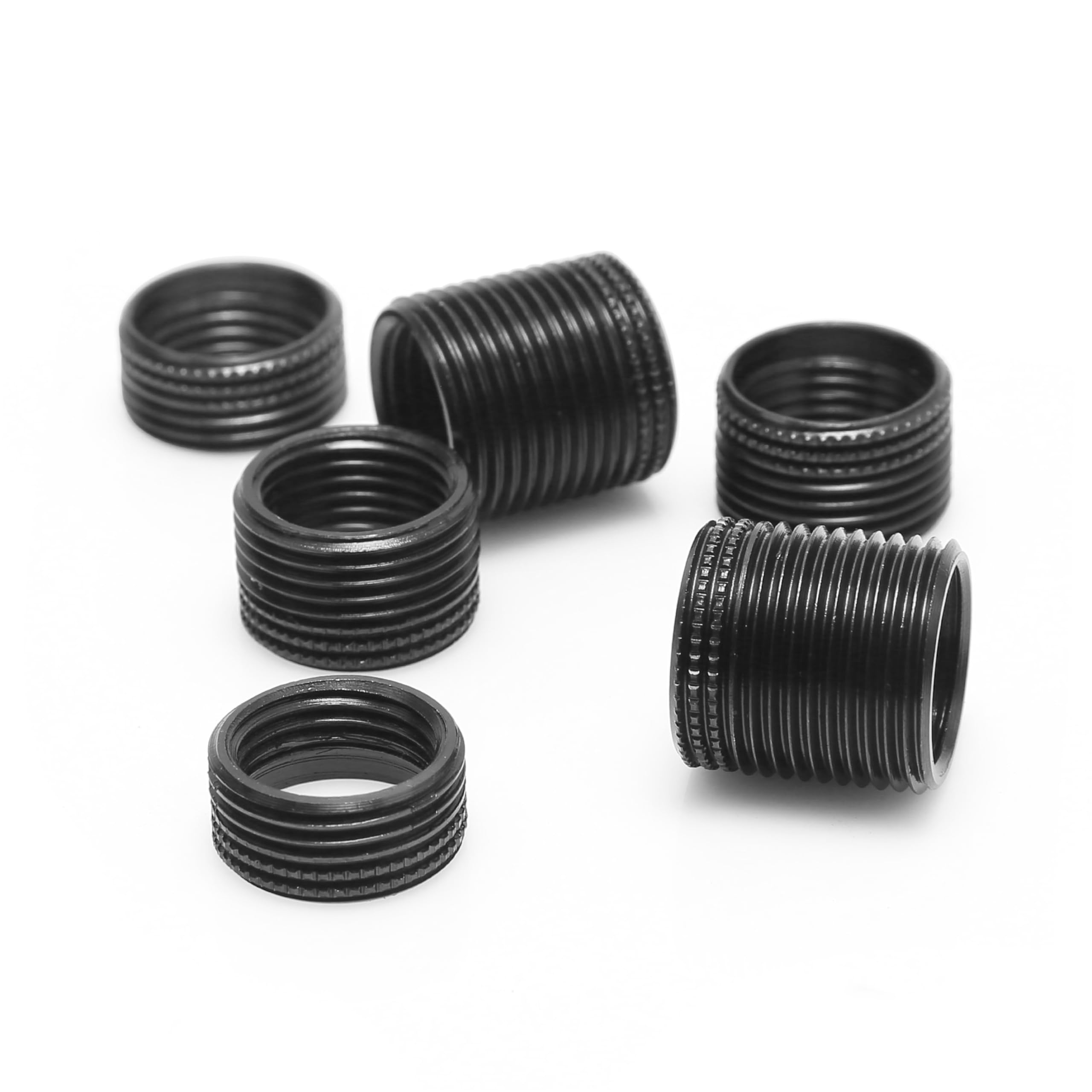
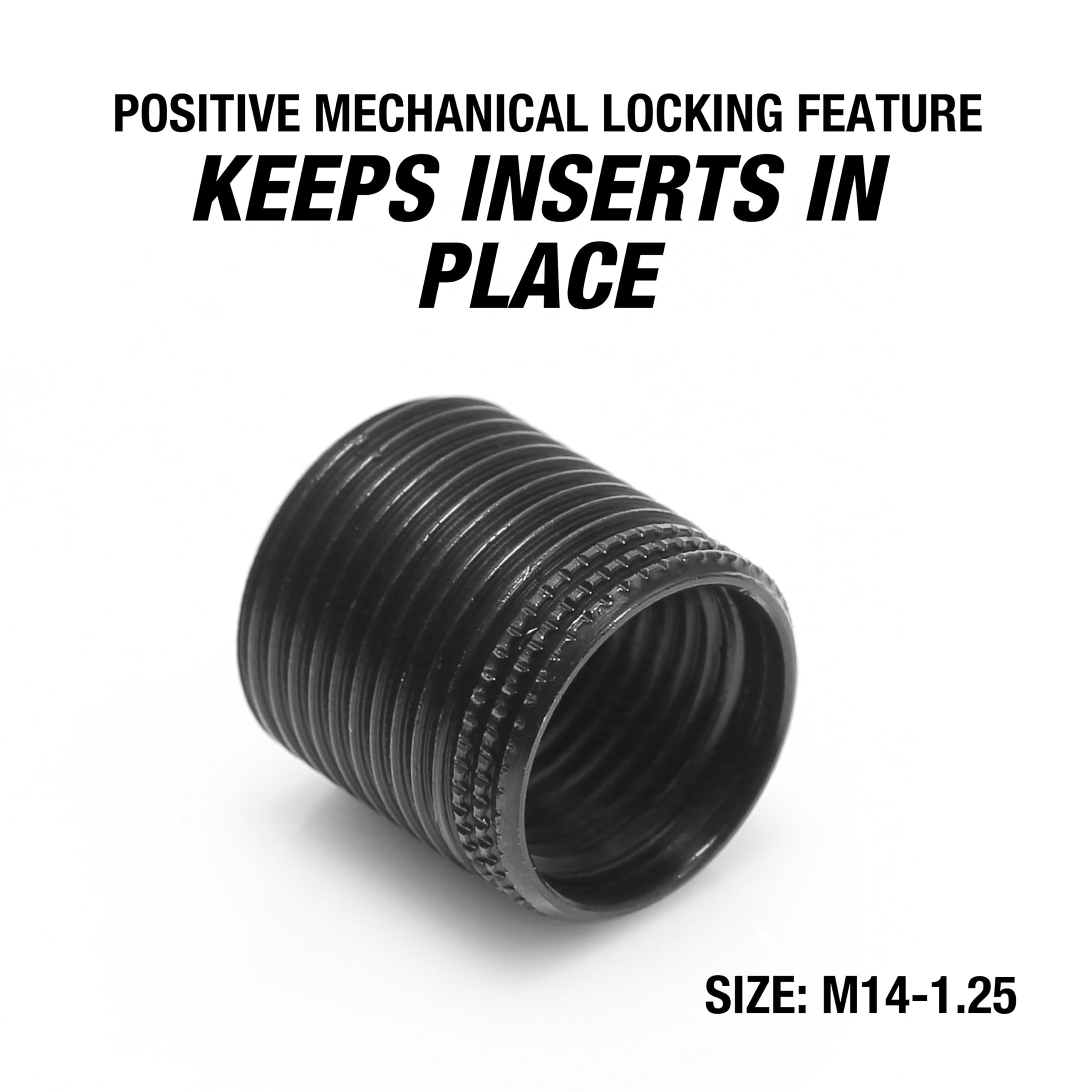
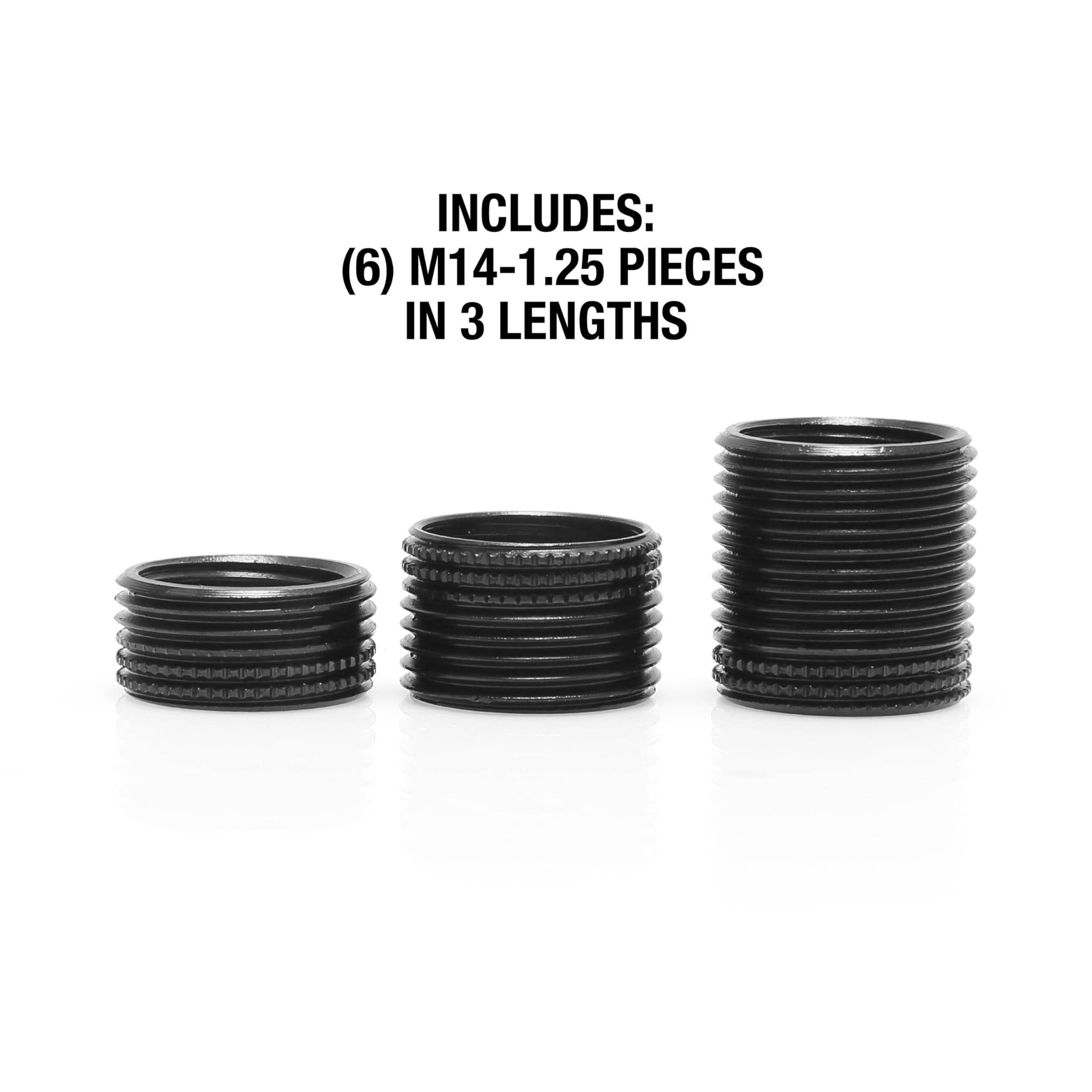
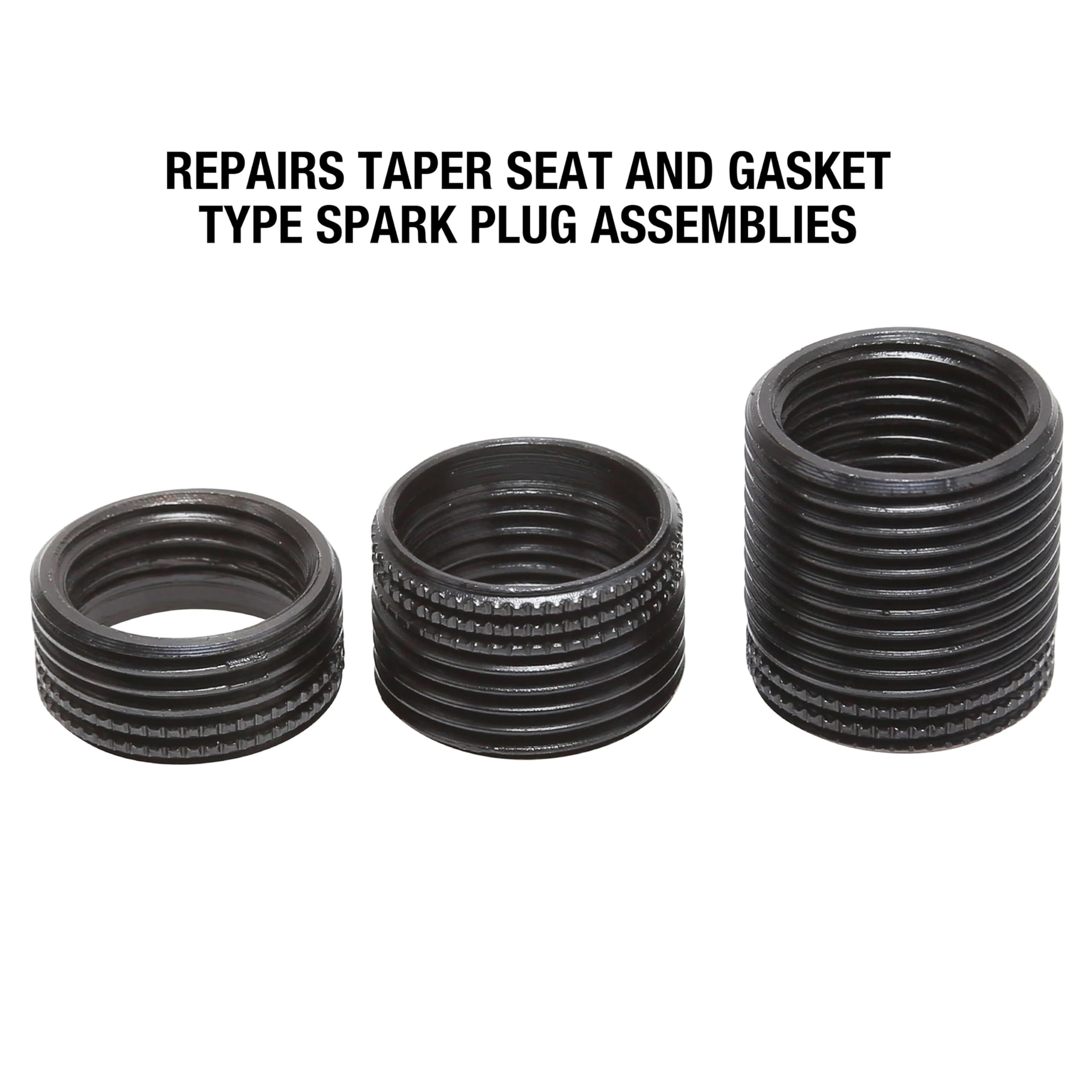
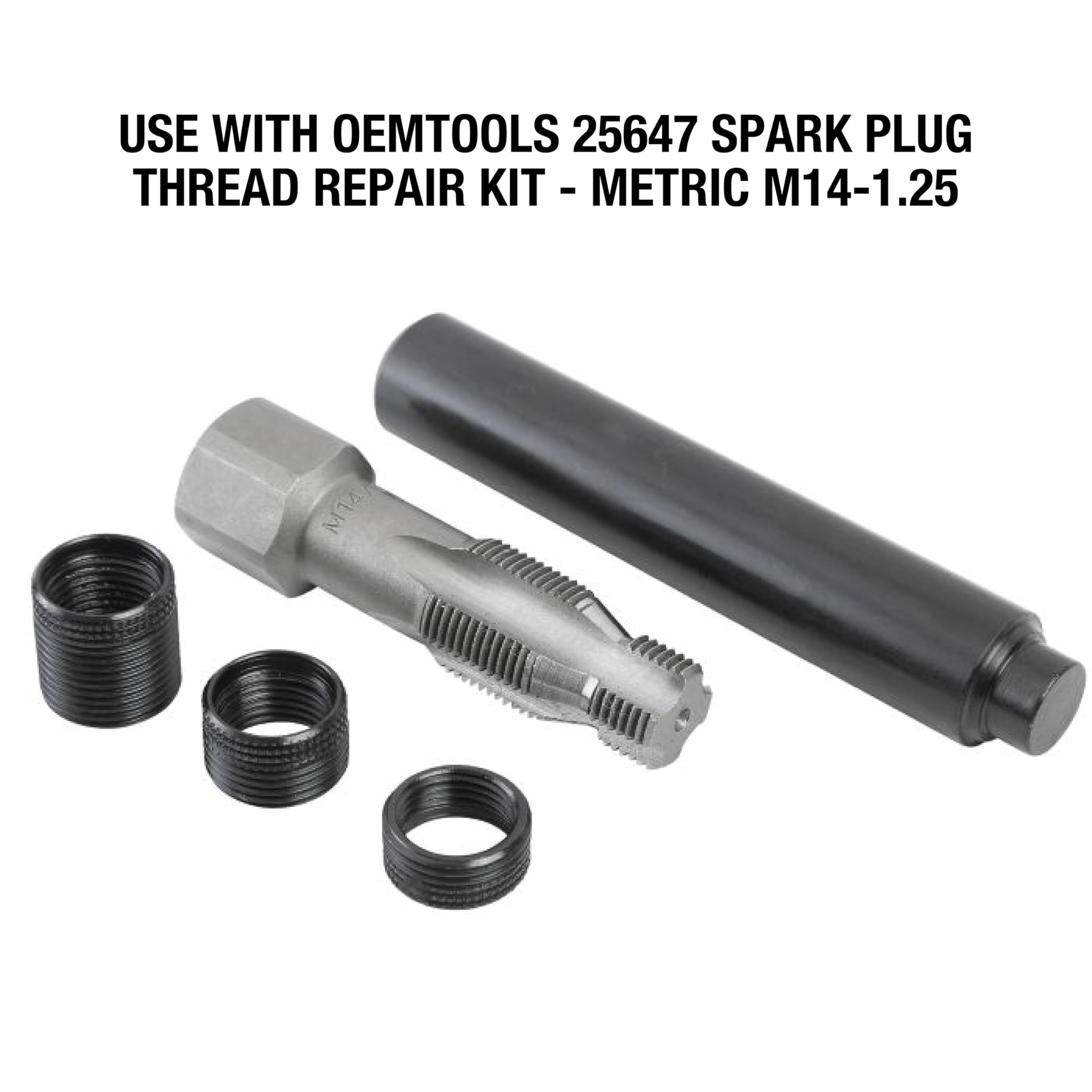

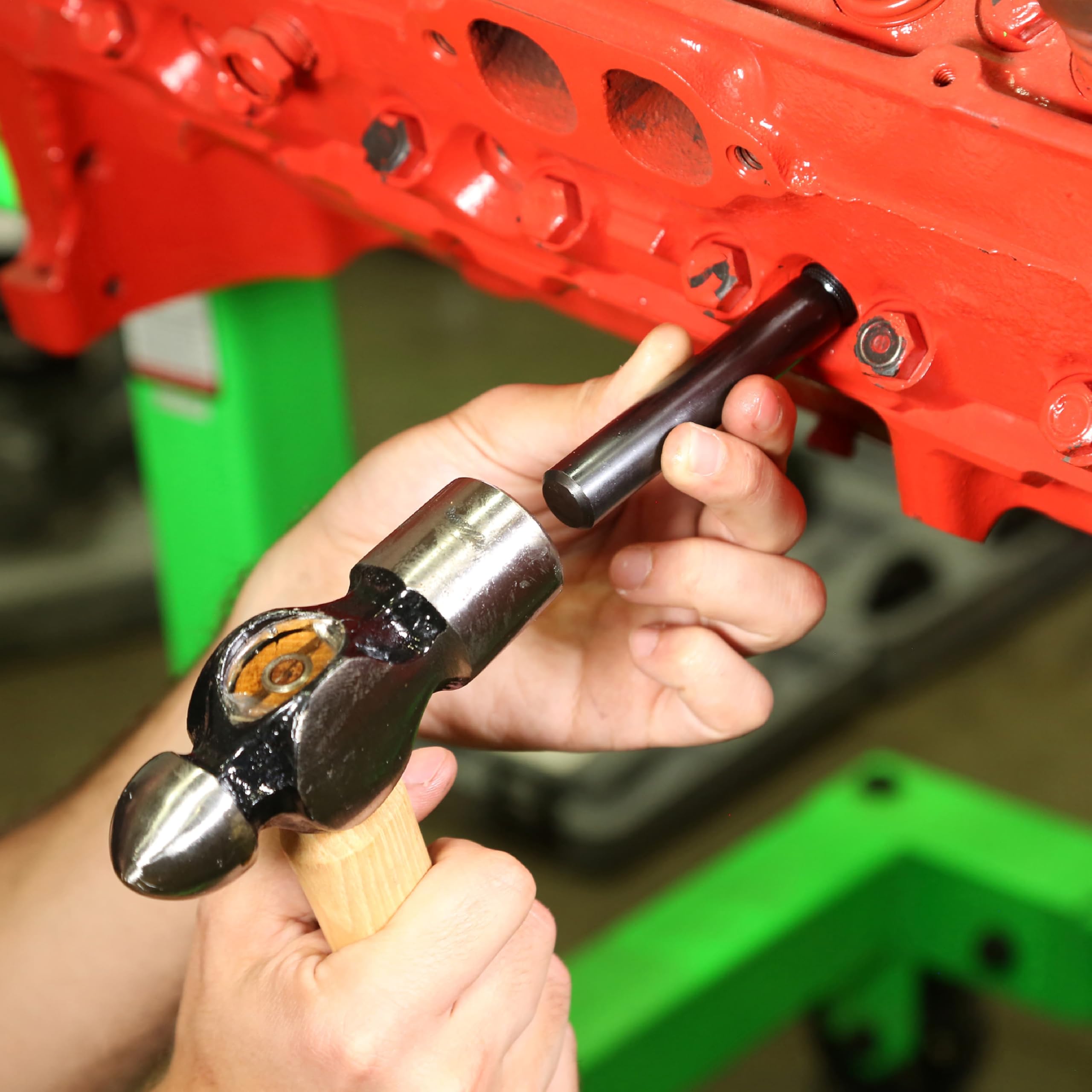
🔧 Save your spark, save your ride — thread repair that means business!
OEMTOOLS 25648 Fix-A-Thread Spark Plug Saver Inserts provide a professional solution for repairing stripped or damaged spark plug threads. Featuring precision M14 x 1.25 sizing, three versatile insert lengths, and durable 18-8 stainless steel construction with diamond-shaped spring threads, these inserts ensure a secure, corrosion-resistant, and heat-tolerant repair. Ideal for automotive, truck, RV, and aviation applications, they require a compatible thread repair tool and are engineered to extend the life of your cylinder heads while maintaining engine compression and performance.


| ASIN | B004FEJK3A |
| Best Sellers Rank | #13,580 in Automotive ( See Top 100 in Automotive ) #187 in Spark Plug & Ignition Tools |
| Brand | OEMTOOLS |
| Color | Black |
| Customer Reviews | 4.5 4.5 out of 5 stars (1,365) |
| Date First Available | December 6, 2010 |
| Exterior Finish | Black Oxide |
| Fastener Type | Insert |
| Finish Type | Powder Coated |
| Global Trade Identification Number | 00076812256485 |
| Inside Thread Size | M14 |
| Is Discontinued By Manufacturer | No |
| Item Diameter | 14 Millimeters |
| Item Weight | 0.8 ounces |
| Item model number | 25648 |
| Manufacturer | Great Neck Saw |
| Manufacturer Part Number | 25648 |
| Material | Stainless Steel |
| Metal Type | Stainless Steel |
| Model | OEMTOOLS 25648 |
| Number of Pieces | 1 |
| Size | M14-1.25 |
| Thread Class | Class 2A |
| Thread Coverage | Fully Threaded |
| Thread Size | M14 x 1.25 |
| Thread Style | Left Hand |
| Thread Type | National Pipe Taper |
| UPC | 076812256485 |
J**.
Great Tool that Works Perfectly!
I used this tool to rethread the spark plug hole on a Toro snowblower and it worked perfectly! I followed the detailed recommendations that Kyle W provided which were extremely helpful. I needed a tool with a blunt nose since I did not have much clearance inside the cylinder head and this fit the bill. That made it a bit more difficult to get started, but if you take you time, keep it straight, and apply even pressure it can be done. Once you get several threads cut it seems to pretty much self guide. I did purchase a T-handle socket wrench as Kyle suggested and I agree that it makes it much easier to cut straight. With a little patience it can be done. This is a great tool and I highly recommend it!
T**.
Quality tool for cheap
Functions as advertised. Repaired spark plug thread in lawn mower without removing cylinder head.
K**W
Not for the inexperienced or faint of hearts...
PROS: 1. It got the job done. 2. It was a cheap kit. 3. The threaded inserts are coated steel. 4. The tap is high enough quality to cut easily, even when some full-thread removal is needed at the bottom of the hole. 5. The head on the tap is 5/8", just like the spark plug (important for deep ports) CONS: 1. The pictured item has a long lead-in, more like a plug tap. What I received has very little lead-in, more like a bottoming tap. This makes it more difficult to get the tap started and, more importantly, to keep it steady and straight as the threads get started. 2. There aren't very good instructions out there for the best use of this type of tool. I've tried to help with that below. Here's some detailed instructions from an experienced engineer, to help ensure a successful repair: Things you will benefit from also having/buying: 1. Micro-attachment kit for your shop vac (basically a reducer, a rubber hose, and a variety of small tips) 2. Loctite 638 (you could use high-temp rtv sealant, but this stuff is the ultimate best option) 3. Axle grease or a similar heavy grease (this is for catching the chips so they don't go into the engine) 4. A sliding T-handle wrench, or a large tap wrench (it's best to do the tapping with two opposed hands for better control and straightness, especially when starting the threads) 5. This may not be needed in your case, but I couldn't get the tap started in my engine without first chamfering the hole a tiny bit more. For this I used my Noga NG3100 countersinking tool. 6. A 5/8" spark plug socket (this is ideal for your spark plugs, too, in case you didn't already know... it has a rubber insert that snugs over the top of the plug so it doesn't just slip out of the socket). 7. A way to retain the tap in the socket is recommended... this could be as simple as a wad of masking tap, some silly puddy, or even some small magnets like I used (I luckily just had the perfect little magnets on-hand for this). 8. A long screwdriver and a thin rag for cleaning (Ideally use something that won't shred apart against the threads, like a torn up t-shirt or something... I used a polyester cleanroom wipe that I had on-hand). 9. A good flashlight or head lamp. 10. Anti-seize compound for the new spark plug (duh?). Instructions: IMPORTANT NOTE: this tap is only good for aluminum heads. Just be sure you aren't trying to tap into a steel block with this tool. It will likely gall up and cause an even bigger problem. ANOTHER NOTE: Plan on the repair taking about 1-2 hours, and then 24 hours for the sealer to cure. Don't skip this cure time. Plan ahead and don't start the engine until 24 hours after completing the repair. 1. Inspect and clean the hole and surrounding area. There will likely be aluminum-thread debris here and there. IMPORTANT NOTE: The old threads need to be completely stripped and cleaned away at the top of the hole for this blunt-nose tap to be able to get started. It's okay if there are still a few threads completely intact at the bottom of the hole, because the front of the tap has a good enough edge grind to function as a crude reamer and clear out that extra material. If that is the case, however, be sure to take very small bites when you get down to that section (tap 1/8-1/4 turn, reverse 1/2 turn to break chip, repeat, repeat). 2. Get your t-handle, extension (if needed), socket, and tap set up and apply a small blob of axle grease to the tip of the tap, as well as a tiny blob of grease in the front of each relief channel ground into the tap. This grease will grab most of the chips as the tap does it's work, keeping them out of the combustion chamber. 3. Try to get the tap started in the hole, it may take quite a bit of pressure and patience. If necessary, chamfering the hole a bit more may help as it did in my case. NOTE: Once the tap starts to bite in, be very mindful of your straightness with the hole and/or spark plug port. It is critical that the threads get started as straight and true as possible. 4. As the tap straightens up in the hole due to the first threads being established, work slowly and pay attention to the force required to turn the tap. If it's an aluminum head and your threads are starting nice and straight, it should never be extreme. 5. Only cut 1-1/2 to 2 threads at a time before carefully backing the tap out and cleaning off the grease and chips. Each time you do this, use the vacuum kit to also clean the chips from the hole. 6. Repeat step 5 until new threads are cut all the way through. As mentioned previously, if there are full threads at the bottom of the hole, take smaller bites and 'break the chip' more often. Also remove the tap for cleaning more often as you will be producing much more chip volume per thread. 7. Use the vacuum kit to reach down into the combustion chamber and vacuum out any metal chips that fell down in there. It's important to get as much of that out as possible to prevent damage to the engine's internal components. 8. Use the screwdriver and rag to clean out the grease and metal fines from the new threads and spark plug port as best as possible. 9. Apply anti-seize compound to a new spark plug. 10. Select the steel thread insert from the kit that most-closely matches the thickness of the threaded section in the head and screw it all the way onto the new sparkplug. 11. Apply a very thin coat of the loctite retaining compound on the outer threads of the steel insert. IMPORTANT NOTE: You need to be careful here. One small drop is more than enough, and the excess should be removed with a wipe or q-tip. You don't want any of this to end up between the insert and the spark plug, and you don't want any of it to drip down into the combustion chamber. 12. Load the spark plug with insert into your 5/8" spark plug socket and extension (if needed). 13. Start the plug with insert into the new, clean threads by hand and make sure it starts straight and does not require excessive force to install. Seat it by hand if possible. 14. Using a torque wrench set to the manufacturer's recommended spark plug torque, fully seat and torque the plug with insert. 15. Grab a beer, pat yourself on the back, and enjoy life for 24 hours, minimum. 16. Get everything cleaned up, put back together, connected, etc. and start the engine! You're done! Hope this helps some brave soul or two...
H**S
Lifesaver
Easy to install and works perfectly. Saved the impossible to find a replacement for cylinder on my old chainsaw
D**N
Good product.
I would suggest to read Kyle W review. Follow his instructions. Only thing I had to do was grind tap to fit a 5/8 socket. i used electrical tape to tape tap to socket and extension to socket. Worked well for me.
T**R
Great tool
Great tool,Great price
M**E
Screw this
Life saver, game changer
J**.
Worked out very well - take your time
The spark plug hole in the aluminum head on my 5 HP Briggs & Stratton was stripped out completely. Despite this, you cannot start this tap without drilling first. 9/16" is the proper size. I made sure engine was at TDS (Top Dead Center) and stuffed soft cotton into the hole. TDS means the piston is up and the valves are closed. I drilled out the hole to 9/16" and the cotton wadding captured the chips. I used an angle pick to snag the cotton and pull it out of the engine. Then I used globs of grease on the tap to capture chips. I used a socket with a T-handle so I could start it straight. If you've tapped holes before, this is no different. If you've never tapped a hole before, watch a YouTube video and take your time. After I finished tapping, I blew out the hole with compressed air and held a shop vac hose over the hole. I don't believe I left any chips in the engine, but at TDS, compressed air should flush it out well enough. Then I cleaned the insert, the spark plug, and the new threads with brake cleaner spray. Any solvent that flashes off without residue would work. Then I installed the insert onto my new spark plug with some copper anti-seize. Finally, I squirted some oil into the head in case any of the loctite drips down. Then I put a couple drops of red loctite 638 on the outer threads of the insert and screwed it into the engine snugly. After 24 hours of curing, I ran the engine, and afterwards was able to remove the spark plug without the insert coming loose. EDIT: I removed two stars because the insert comes out with the spark plug. According to the listing, once installed, it's not supposed to ever back out. I even used special Loctite and it still came out.
M**N
Tal como se ve en la publicación y muy rápido llegó
A**R
Was a little uncertain how this would work but it was easy to use and worked awesome
G**Y
Works very good when you need the car out and spark plugs threads are stripped. Easy to use and works in tight spaces. Only drawback is sometimes the insert sticks on the spark plug and unscrews out with it, but you can put it back.
A**R
Se ve buen producto
I**.
Overall it did exactly what it needed to which was repair stripped sparkplug threads on a lawnmower. Only real complaint is that it doesn't really stay permanently attached. When I back out the sparkplug the insert comes with it. Not really a problem until I need a new sparkplug. There really aren't any instructions. Make sure you apply a lot of grease to the tap to catch the aluminum shavings as you don't want them inside your engine. Are there better kits? Definitely but they cost over 2x the price and this did the job. Included inserts are steel (stainless maybe) so much stronger than the original threads. Would buy again if needed in the future.
Trustpilot
2 days ago
5 days ago