We remain fully operational. Our teams are working around the clock to ensure your deliveries continue safely.

DOWNLOAD THE APP


Copyright © 2025 Desertcart Holdings Limited
DOWNLOAD THE APP
Buy anything from 5,000+ international stores. One checkout price. No surprise fees. Join 2M+ shoppers on Desertcart.
Desertcart purchases this item on your behalf and handles shipping, customs, and support to Brazil.
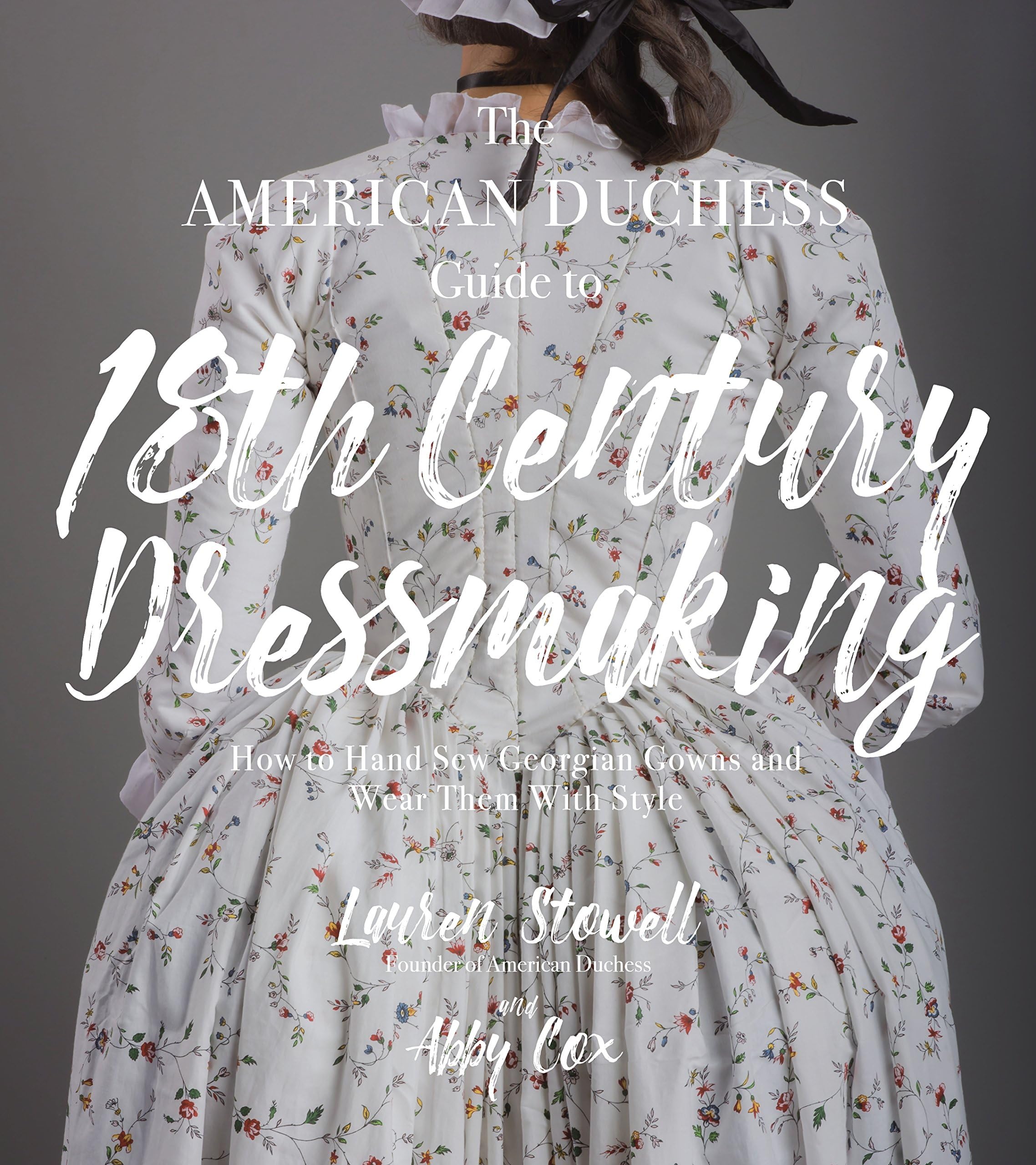
The American Duchess Guide to 18th Century Dressmaking: How to Hand Sew Georgian Gowns and Wear Them With Style [Stowell, Lauren, Cox, Abby] on desertcart.com. *FREE* shipping on qualifying offers. The American Duchess Guide to 18th Century Dressmaking: How to Hand Sew Georgian Gowns and Wear Them With Style Review: Beautiful and valuable resource for both new and experienced costumers - This book is the first book I have seen quite like it - while there are many incredible resources out there for costumers interested in the 18th century, this is the most well-rounded, clear, colorful, and easy-to-follow book I've encountered yet. And it results in a period-correct garment!! Firstly, the book does not waste a lot of page space on fluff; it jumps straight into the good stuff immediately. The contents are extremely methodical, starting with what size and type of thread to use, a list of historical stitch types and how to use them, and how to make a mock-up (test garment in cheap fabric). It then breaks into four sections that each contain instructions for every piece in a complete look*. Each section has a small introduction about the period and nuances of its particular look; it talks about the history of the gown style, the fabrics used (and sometimes the differences between available modern fabrics vs. historical fabrics), and colors and decoration that would have been correct for the period. Following the introduction in each section, any special undergarments* necessary for that look are explained (these include underpetticoats, pocket hoops, split bum pads, bodiced petticoat, etc.) Each piece is actually laid out somewhat like a cookbook: lists of yardages and materials needed first, then a page showing the pattern pieces on a grid (which can be blown up on a photocopier), followed by a very visual (lots of pictures) tutorial on how to make each item. The tutorials shown clearly step-by-step , and utilize the hand-stitches taught in the first few pages of the book. After the undies, all the layers of each look are tutorialed in a logical progression from inside to out; gown petticoat, to stomacher, to gown, to trimmings. Every little piece has a how-to, from sleeve ruffles, to decorative bows, to pinked trim. An 18th century gown is an imposing project, but the way Stowell and Cox break it down makes it feel completely approachable, one piece at a time. There are so many photos of each process, including the fitting for each gown (the scariest part!), that even a brand new seamstress could feel reassured of success. After the gown tutorials, in each section there follows a tutorial for Every. Little. Accessory necessary to complete a look. Accessories are really what makes a look pop, bringing all the little details come together to make the wearer look like they just stepped out of a painting. Tiny accessories are included - like a ruffled ribbon choker and a tasseled sash - as well as larger and more involved accessories, such as a different cap for every era, hat trimmings, hat making, tuckers, mitts, aprons, reticules, etc. This is where you REALLY get the bang for your buck. Accessories are sometimes even more intimidating than a gown, because they can be complicated, fussy to research, and there are just so many darned options for them. At the very end of each of the four big sections are a couple "how to wear" pages, showing the model putting on each piece of the look, one garment at a time. It sort of recaps everything covered in the chapter by walking you through how to wear each piece (so you're not stuck wondering, "I have this tucker, but what tucks in and what tucks out? And how does this cap stay on my head?!") After all of the chapters, there is a small troubleshooting guide for how to address common fit problems one might encounter on the various styles. Since these garments are constructed so differently from modern clothing, it is a very helpful section even to an experienced seamstress. It includes a drawing of each fit problem and a blurb on how to correct it. Finally, there is an appendix (full of delicious citations, which are helpful to anybody who wants to dive deeper into research about each look and era), a short list of suppliers (it's always helpful to know sources for reliable materials for historical costuming), a wee bio on the authors, and a thorough index to help wade through all this awesome material. *NOTE: the only elements of each look NOT tutorialed in this book, are the shifts and stays. This is noted right away on the first couple pages of the book. Stays and all their variations are a very complex topic which could fill an entire other book like this one (which I would buy in a heartbeat!). Shifts also have a lot of variation, but they are a fairly simple project and there is a lot of information already out there on how to make them. Conclusion: this is an EXCELLENT resource, both for experienced costumers and new seamstresses. The huge amount of work that went into it is evinced in the beautiful and clear content. I am so excited to work my way through the making of each of these gowns!! Review: Is It Worth It? (Sewing Edition) - I could not wait to get this book and open it up. So what are you getting: Each chapter after the 1st has a photo of the completed garment and a page detailing the history of the item. CHAPTER ONE: • What the book is all about • Sewing an Eighteenth century gown • Fitting your mock-up • Piecing Items Historic stitches and how to sew them of which you get 16, this includes one picture on the left side and a short paragraph describing how to complete the stitch, as well what it’s uses are. CHAPTER TWO:English Gown The English gown, includes how to sew the English gown bodice, first fitting and attaching the skirts, sleeves and cuffs, second fitting and finishing up, Undies, Petticoat, Stomacher, neck handkerchief, apron, cap, mitts, simple straw hat and how to get dressed and wear your English gown. Chapter Three: The Sacque gown The pattern for this gown is Simplicity 8578 and 8579. This section includes-Fabric choices, note on hair styling ,side hoops, petticoat, trim, stomacher, bows, :The sacque gown-bodice and first fitting-skirt panels and second fitting, sleeves, third fitting hem and trim, choker necklace, apron, cap, sleeve flounces, lace tucker and how to get dressed and wear your gown CHAPTER FOUR: The Italian Gown Fabric choices, The false rump, petticoat, :The Italian gown bodice and first fitting-finishing the bodice and attaching the skirts-the sleeves and final fitting, cap, puffs and bows, hat ,apron, neck tucker and elbow ruffles, how to get dressed and wear your gown. CHAPTER FIVE:The Round Gown Fabric choices, undies-petticoat and back pad, :The Round Gown-the under bodice and first fitting-skirts and sleeves-setting the sleeves and finishing the bodice-over bodice and skirt fronts, third fitting and finishing, sash ,ruffled chemisette, skirt style chemisette, cap, turban wrap, hat, muff, reticule, and how to get dressed and wear your gown. Troubleshooting-goes overs common fitting problems and how to correct Appendix -I really enjoyed this section Supplier list Acknowledgment and biographies Index Likes: I feel like this book is complete. It bridges the gap between knowing what an 18th century garment looks like and how to construct one in an organic way. As well how to put it all together to have a complete authentic look. Dislikes: You only get gridded paper for the lining of the item and have to drape them to make them into the gown, which makes for pretty advanced work./Or you could try to find similar patterns and construct it from the book. I would have liked to have the Gowns on gridded paper and make the linings from there, as the linings are always easier to create. And /Or patterns for the gowns. As the description does not state it would include this information I did not take off any points. It would have been nice to have all the components in one book though. Not spiral, you can lay the book flat because of the way it is bound but I would have preferred spiral bound. I adore this book, think it accomplishes exactly what it said it would and hope that the authors continue to put out more..WINK WINK especially including a ROBE DE COUR, The pictures go hand in hand with the text and provide a resource for sewing these historical garments. Will I be sewing my entire ensemble by hand? Absolutely not but it will be good to be able to add some accurate hand sewing touches here and there.
| Best Sellers Rank | #90,613 in Books ( See Top 100 in Books ) #149 in Sewing (Books) |
| Customer Reviews | 4.8 4.8 out of 5 stars (1,331) |
| Dimensions | 8 x 0.55 x 8.95 inches |
| Edition | Illustrated |
| ISBN-10 | 1624144535 |
| ISBN-13 | 978-1624144530 |
| Item Weight | 2.31 pounds |
| Language | English |
| Print length | 240 pages |
| Publication date | November 21, 2017 |
| Publisher | Page Street Publishing |
A**N
Beautiful and valuable resource for both new and experienced costumers
This book is the first book I have seen quite like it - while there are many incredible resources out there for costumers interested in the 18th century, this is the most well-rounded, clear, colorful, and easy-to-follow book I've encountered yet. And it results in a period-correct garment!! Firstly, the book does not waste a lot of page space on fluff; it jumps straight into the good stuff immediately. The contents are extremely methodical, starting with what size and type of thread to use, a list of historical stitch types and how to use them, and how to make a mock-up (test garment in cheap fabric). It then breaks into four sections that each contain instructions for every piece in a complete look*. Each section has a small introduction about the period and nuances of its particular look; it talks about the history of the gown style, the fabrics used (and sometimes the differences between available modern fabrics vs. historical fabrics), and colors and decoration that would have been correct for the period. Following the introduction in each section, any special undergarments* necessary for that look are explained (these include underpetticoats, pocket hoops, split bum pads, bodiced petticoat, etc.) Each piece is actually laid out somewhat like a cookbook: lists of yardages and materials needed first, then a page showing the pattern pieces on a grid (which can be blown up on a photocopier), followed by a very visual (lots of pictures) tutorial on how to make each item. The tutorials shown clearly step-by-step , and utilize the hand-stitches taught in the first few pages of the book. After the undies, all the layers of each look are tutorialed in a logical progression from inside to out; gown petticoat, to stomacher, to gown, to trimmings. Every little piece has a how-to, from sleeve ruffles, to decorative bows, to pinked trim. An 18th century gown is an imposing project, but the way Stowell and Cox break it down makes it feel completely approachable, one piece at a time. There are so many photos of each process, including the fitting for each gown (the scariest part!), that even a brand new seamstress could feel reassured of success. After the gown tutorials, in each section there follows a tutorial for Every. Little. Accessory necessary to complete a look. Accessories are really what makes a look pop, bringing all the little details come together to make the wearer look like they just stepped out of a painting. Tiny accessories are included - like a ruffled ribbon choker and a tasseled sash - as well as larger and more involved accessories, such as a different cap for every era, hat trimmings, hat making, tuckers, mitts, aprons, reticules, etc. This is where you REALLY get the bang for your buck. Accessories are sometimes even more intimidating than a gown, because they can be complicated, fussy to research, and there are just so many darned options for them. At the very end of each of the four big sections are a couple "how to wear" pages, showing the model putting on each piece of the look, one garment at a time. It sort of recaps everything covered in the chapter by walking you through how to wear each piece (so you're not stuck wondering, "I have this tucker, but what tucks in and what tucks out? And how does this cap stay on my head?!") After all of the chapters, there is a small troubleshooting guide for how to address common fit problems one might encounter on the various styles. Since these garments are constructed so differently from modern clothing, it is a very helpful section even to an experienced seamstress. It includes a drawing of each fit problem and a blurb on how to correct it. Finally, there is an appendix (full of delicious citations, which are helpful to anybody who wants to dive deeper into research about each look and era), a short list of suppliers (it's always helpful to know sources for reliable materials for historical costuming), a wee bio on the authors, and a thorough index to help wade through all this awesome material. *NOTE: the only elements of each look NOT tutorialed in this book, are the shifts and stays. This is noted right away on the first couple pages of the book. Stays and all their variations are a very complex topic which could fill an entire other book like this one (which I would buy in a heartbeat!). Shifts also have a lot of variation, but they are a fairly simple project and there is a lot of information already out there on how to make them. Conclusion: this is an EXCELLENT resource, both for experienced costumers and new seamstresses. The huge amount of work that went into it is evinced in the beautiful and clear content. I am so excited to work my way through the making of each of these gowns!!
C**A
Is It Worth It? (Sewing Edition)
I could not wait to get this book and open it up. So what are you getting: Each chapter after the 1st has a photo of the completed garment and a page detailing the history of the item. CHAPTER ONE: • What the book is all about • Sewing an Eighteenth century gown • Fitting your mock-up • Piecing Items Historic stitches and how to sew them of which you get 16, this includes one picture on the left side and a short paragraph describing how to complete the stitch, as well what it’s uses are. CHAPTER TWO:English Gown The English gown, includes how to sew the English gown bodice, first fitting and attaching the skirts, sleeves and cuffs, second fitting and finishing up, Undies, Petticoat, Stomacher, neck handkerchief, apron, cap, mitts, simple straw hat and how to get dressed and wear your English gown. Chapter Three: The Sacque gown The pattern for this gown is Simplicity 8578 and 8579. This section includes-Fabric choices, note on hair styling ,side hoops, petticoat, trim, stomacher, bows, :The sacque gown-bodice and first fitting-skirt panels and second fitting, sleeves, third fitting hem and trim, choker necklace, apron, cap, sleeve flounces, lace tucker and how to get dressed and wear your gown CHAPTER FOUR: The Italian Gown Fabric choices, The false rump, petticoat, :The Italian gown bodice and first fitting-finishing the bodice and attaching the skirts-the sleeves and final fitting, cap, puffs and bows, hat ,apron, neck tucker and elbow ruffles, how to get dressed and wear your gown. CHAPTER FIVE:The Round Gown Fabric choices, undies-petticoat and back pad, :The Round Gown-the under bodice and first fitting-skirts and sleeves-setting the sleeves and finishing the bodice-over bodice and skirt fronts, third fitting and finishing, sash ,ruffled chemisette, skirt style chemisette, cap, turban wrap, hat, muff, reticule, and how to get dressed and wear your gown. Troubleshooting-goes overs common fitting problems and how to correct Appendix -I really enjoyed this section Supplier list Acknowledgment and biographies Index Likes: I feel like this book is complete. It bridges the gap between knowing what an 18th century garment looks like and how to construct one in an organic way. As well how to put it all together to have a complete authentic look. Dislikes: You only get gridded paper for the lining of the item and have to drape them to make them into the gown, which makes for pretty advanced work./Or you could try to find similar patterns and construct it from the book. I would have liked to have the Gowns on gridded paper and make the linings from there, as the linings are always easier to create. And /Or patterns for the gowns. As the description does not state it would include this information I did not take off any points. It would have been nice to have all the components in one book though. Not spiral, you can lay the book flat because of the way it is bound but I would have preferred spiral bound. I adore this book, think it accomplishes exactly what it said it would and hope that the authors continue to put out more..WINK WINK especially including a ROBE DE COUR, The pictures go hand in hand with the text and provide a resource for sewing these historical garments. Will I be sewing my entire ensemble by hand? Absolutely not but it will be good to be able to add some accurate hand sewing touches here and there.
K**R
Good book
Not quite what I expected…..much better.
C**A
A Superb New Staple For Every Costumer's Reference Shelf
This book really does fill the gap between academic research and hands-on application for womenswear in the 18th century. This book clarifies so much about dressmaking in this period. It is grounded in solid academic research. The book is PACKED with information, in an accessible, easily referenced way. The book features four distinct gown styles from different parts of the 18th century, and sets each within their historical context. Step by step instructions guide the reader through the making and fitting of each gown, as well as skirt underpinnings, petticoats, and accessories. Finally, step by step dressing instructions show just how to wear each style of gown. Stitch illustrations and a fitting guide perfectly illustrate the techniques needed to hand sew and fit clothing for this period. I wholeheartedly recommend this book to anyone who is interested in the practical making of accurate 18th century womenswear, or the history of fashion in general.
F**E
Fabulous 18th Century dressmaking book. Bought it as a present. Patterns and pictures wonderful. So are the patterns.
A**O
Livro maravilhoso com técnicas detalhadas para reproduzir quatro looks específicos do século 18. Um verdadeiro mimo!
R**D
Very useful as a reference book.
K**S
ik en een vriendin hebben een robe a la francaice gemaakt met behulp van dit boek, goede kwaliteit en veer informatie. het is denk ik niet helemaal beginner vriendelijk, maar opzich wel te doen.
M**R
I am delighted with this book. I am not a historical costumer, but a seamstress with a love of "olden day dresses" and I was nicely surprised by the content within. Directions are given for 4 dresses/outfits, complete with accessories such as caps and aprons and more. There is even a guide in how to put on each dress, since getting dressed was clearly quite a big deal in the days before zip-up dresses and jeans. It gave me an appreciation for women's dedication to the fashion at the time - with so many layers and multiple pins holding parts together, even just walking in the outfit must have been an art in itself! Patterns are grid-drawings that you would need to copy to scale and adjust to your own proportions. To make these dresses you'd need a dress form (or the intended wearer with you, on which to make accurate pattern pieces and fit the dress). I do not have one, but I hear you can make from from duct tape! Also, unless you happen to be Bernadette Banner, you probably won't be wearing one of these ensembles to the shops. They are very costume-y. Yet I might attempt one of the "simpler" versions and wear it to a local "historical day" that the National Trust houses sometimes put on. Even if you don't plan to make a dress of this sort, the book is good for an enjoyable browse while having a cup of tea.
Trustpilot
2 months ago
2 months ago