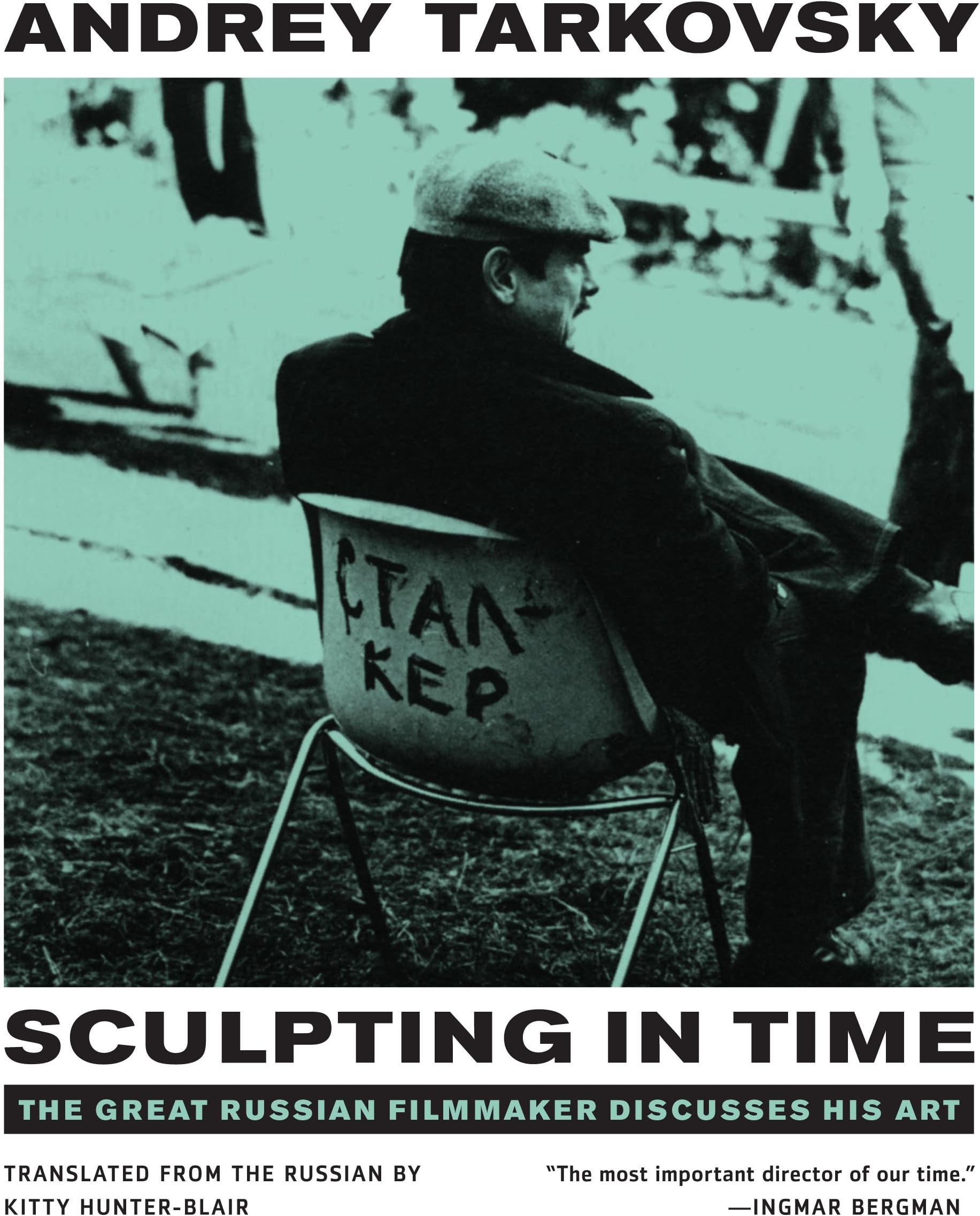
Sculpting in Time: Reflections on the Cinema
Product ID: 48061260
⏳Cinema as sculpting of time
🎥7 iconic Tarkovsky films dissected
📚Deep dive into cinematic philosophy
Desertcart purchases this item on your behalf and handles shipping, customs, and support to Brazil.
🎬 Sculpt your understanding of cinema’s deepest art with Tarkovsky’s timeless masterpiece!
Sculpting in Time by Andrey Tarkovsky, published by University of Texas Press, is a profound exploration of the director’s artistic philosophy and filmmaking process. It reveals the inspirations behind his iconic films and presents cinema as a unique art form that sculpts time itself. Highly rated and essential for anyone passionate about film, creativity, and artistic authenticity.
| Asin | 0292776241 |
| Dimensions | 21.54 x 19.15 x 1.24 cm |
| Edition | Reprint |
| Isbn 10 | 0274708884 |
| Isbn 13 | 978-0292776241 |
| Item Weight | 510 g |
| Language | English |
| Print Length | 254 pages |
| Publication Date | 1 April 1989 |
| Publisher | University of Texas Press |
User
Great book
If you're a Tarkovsky fan this book is a delight!
User
"Sculpting in Time" – Tarkovsky’s Masterpiece on Art and Cinema
Review: Sculpting in Time – Tarkovsky’s Masterpiece on Art and CinemaAndrei Tarkovsky’s 'Sculpting in Time' is more than a book on filmmaking—it is a philosophical meditation on creativity, memory, and the ineffable power of the moving image. Through a deeply personal and poetic lens, Tarkovsky dissects the artistic process, revealing a worldview in which cinema becomes not just a medium but a means of sculpting time itself.One of the book’s most fascinating aspects is Tarkovsky’s belief in artistic honesty; the idea that true creativity must stem from deep personal necessity rather than external influence. He argues that great art emerges from an artist’s inner world rather than market demands or trends, making this work an essential read for any creative mind, not just filmmakers.Another compelling thread in the book is his exploration of cinema’s relationship with theatre and music. Unlike theatre, which he sees as an inherently artificial space defined by its staging, Tarkovsky insists that film has the ability to capture the truth of time unfolding naturally. Similarly, he compares film to music in its ability to create emotional resonance through rhythm and movement rather than narrative alone.Perhaps most strikingly, Tarkovsky views time as the fundamental material of cinema, a radical idea that transforms how we perceive film. Rather than merely recording events, he believes cinema can shape time itself—stretching, compressing, and revealing it in ways no other art form can. His films are exercises in patience and poetic realism, demanding a contemplative engagement from the viewer.For anyone seeking to understand not only Tarkovsky’s films but also the deeper nature of artistic expression, Sculpting in Time is an essential and transformative read.
User
God wrote a book.
It is an amount of single pages together making a book. The single pages have letters on them making words. The words make sentences and thus paragraphs. We k ow what the words are because we agree upon the meaning of them.God wrote a book. It isn't the Bible, its Tarkovsky and its sculpting in time.
User
Worth it!
Stunning portrait of an unforgettable director. Worth read!
User
this book is excellent
this book is excellent. i love his films, and even more after reading this book. so many insights into his ideas.
User
Five Stars
Great book. Essential reading. Awesome paper.
User
Brand new
Brand new acceptable paperpack
User
Five Stars
Inspirational words from the master of film
User
Sehr empfehlenswert
Sehr empfehlenswert
User
Cinema as an Art form
"Sculpting in Time" is truly an amazing work of art in its own right. Certainly filmmakers have written books about their artistic styles in the past. Philosophers have written elaborately on the subject of aesthetics as a whole in the past as well. And yet "Sculpting in Time" offers those with aesthetic interests something truly unique.It should be forewarned that Tarkovsky, like Ingmar Bergman, was heavily interested in aesthetic philosophy. In fact Tarkovsky's ideas regarding art borderline the metaphysical (as this book is often used in higher level philosophy classes), and yet - through the tone in which the book is written - "Sculpting in Time" manages to appeal to the average Tarkovsky or cinema studies fan in such a way that no other aesthetics book has managed.Tarkovsky's self-written "Sculpting in Time" is an amazing supplement which describes the brilliant filmmaker's use of filmic techniques but also goes a step further by explaining (at great length), why the filmmaker believes those techniques are significant. The value of his tried efforts to create a meaningful work of art directly relate to Tarkovsky's view of art as a whole.Tarkovsky's views of art are complex and yet are reiterated for the reader so simply they stand out in "Sculpting in Time" like a gem. For instance the underlying theme in Tarkovsky's writing is the idea of an "absolute truth" of art which can be derived a given piece of art. Without giving too much away, Tarkovsky's beliefs, as expressed in his chapter "Imprinted in Time" mostly, is simply that art done for the right reasons - containing some form of objective truth within it - serves to link us (subjective beings), with an "absolute." From that blooms Tarkovsky's entire creative aspect fans of his films know and love him for.I have to recommend this book to anyone interested in aesthetics, cinema studies, or Tarkovsky. I think this is a nice supplement to have when watching Tarkovsky films as well, so it might just serve to spark the interest in a philosophy buff to check out a few Tarkovsky films! Enjoy!
User
A must read for any filmmaker or film enthusiast
Excellent book. Tarkovsky’s insight on filmmaking is thoughtful, philosophical, poetic, and spiritual.
User
True inspiration
I was introduced to Tarkovsky's work about 20 years ago during my time in film school, and The Sacrifice was the movie that turned me on to his outstanding cinematic legacy. The more I saw, the more I wanted to learn about the artist. Then I came upon Sculpting In Time; a cinematic memoir which has forever changed my life, and my artistic visions.This book is nothing short of inspirational. I highly recommend it even if you are not familiar with Tarkovsky's work. Each chapter is loving written, eloquently detailed and profoundly insightful on topics such as the importance of sound, story and visual aesthetics in filmmaking. Tarkovsky's ability to, quite literally, sculpt cinematic moments in time in each of his films is nothing short of genius.
User
Peak reading. ♥️
genuinely one of the most fundamental books on the philosophy of art, the questions posed towards the human condition, and our purpose here.the sensibilities given to the artist, and an exploration of art as the purest form of expression and understanding. A look at the poetry in life, through the lens of existentialism. Every artist should read this at least once. Not even exaggerating a bit.
Trustpilot
1 month ago
2 months ago