

Buy anything from 5,000+ international stores. One checkout price. No surprise fees. Join 2M+ shoppers on Desertcart.
Desertcart purchases this item on your behalf and handles shipping, customs, and support to Brazil.
🎯 Stick with the best—fletch like a pro, hunt like a legend!
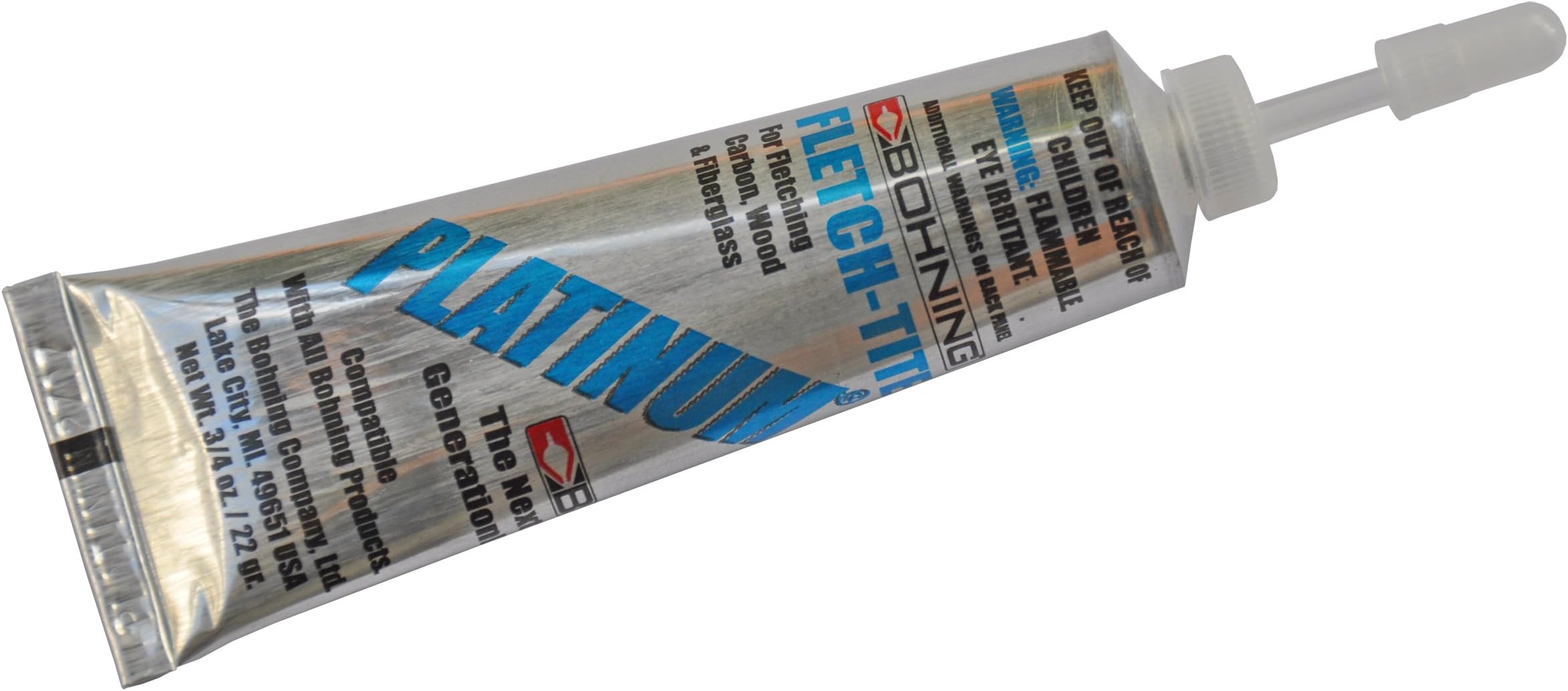
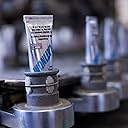
Bohning Platinum Fletch Tite 3/4oz is a solvent-based adhesive designed for vanes and feathers on all arrow shafts, especially carbon and wood. It offers a flexible, shock-absorbing bond that resists cracking, with a quick 5-minute clamp time and full cure in 48 hours. Ideal for low-humidity conditions, this industry-standard glue has been trusted by archers for over 70 years.


| ASIN | B000QGKHA6 |
| Best Sellers Rank | #10,827 in Arts, Crafts & Sewing ( See Top 100 in Arts, Crafts & Sewing ) #612 in Craft Adhesives |
| Brand | Bohning |
| Brand Name | Bohning |
| Color | Clear |
| Compatible Material | Carbon Fiber, Fiberglass, Wood |
| Container Type | Tube |
| Customer Reviews | 4.6 out of 5 stars 2,459 Reviews |
| Full Cure Time | 48 Hours |
| Global Trade Identification Number | 00010847013019 |
| Included Components | Adhesive, Tip and Cap |
| Item Form | Liquid |
| Item Package Quantity | 1 |
| Item Type Name | Fletch-Tite Platinum |
| Item Weight | 22.68 g |
| Manufacturer | Bohning Company, LTD |
| Material | Carbon, Fiberglass, Metal, Wood |
| Material Type | Carbon, Fiberglass, Metal, Wood |
| Model | 1301 |
| Package Information | Tube |
| UPC | 682055370538 796254172692 010847013019 |
| Viscosity | Moderate |
| Volume | 0.75 Fluid Ounces |
| Warranty Description | 90 day warranty against manufacturer defects. |
| Water Resistance Level | Water Resistant |
W**R
Some of the best there is
It seems these days archery glue merchants try to get 10 to 20 bucks for a small quantity of glue that probably costs less than 25 cents to manufacture. I paid 6 bucks for this tube, so it was far cheaper than the other glues on the market. I've noticed several merchants here trying to sell this same glue for over twelve bucks a tube, which is ridiculous. I have used various glues through the years and this stuff is good-- IF one follows the instructions. Those instructions are simple: PREPARE THE SHAFT BEFORE APPLYING THE GLUE. I like to use very fine sandpaper and then another acetone or denatured alcohol rinse. Make sure the shaft is perfectly clean and dry. Then I apply the vanes, ALLOWING ENOUGH TIME TO DRY. I suggest a good 10 minutes before releasing clamps... and then this glue has a 48 hour full-cure time. Don't try to skimp on that cure time. If you do, it's not the glue's fault if vanes come off. Once it cures it holds like iron... for years. A vane will tear and rip before that glue lets loose. ONE TRICK I like to do is: once the vanes are on the shaft and set, I put an entire FULL RING of glue around the front and back of the vane, covering the vane tip and rear. Use some saliva or water on your fingertip to "flatten" the glue ring (doesn't hurt the glue and that way it won't stick to your finger). That way if the vane does hit something, the glue takes the brunt of impact instead of the front of the vane. Doing this... there's no need to 'string wrap' your vanes unless you just want the look. (If you do string wrap, put a coating of this glue over the string when you're done. Holds forever.) That's it. That's a fool-proof method for getting vanes or feathers to stick to any kind of shaft forever (carbon, graphite, aluminum, wood). If you don't cut any corners, those vanes or feathers will stay adhered longer than the arrow itself will last. This is the best glue I've found for vanes and fletchings, but also works with a whole bunch of other materials: wood, metal, plastic, glass and more. Unlike super glues it doesn't crystalize over time, but retains its consistency and holds very well, for years. I have some arrows that I fletched 20 years ago with this stuff and it's still holding. That said, you can go down to your local dollar store or hardware store and buy standard clear household glue that will work just as well for fletching arrows... and will cost a whole lot less. So why do I use Fletch Tite? Because I absolutely know it will work, no questions. That said, just for the fun of it my next set of arrows I'm fletching with clear handyman glue. At my age it doesn't have to last 25 years. ; ) Understand that with all such glues you have to give them their full curing time. I noted one user here only allowed 24 hour drying time on this glue on dozens of arrows-- and then complained about all his vanes coming off. The manufacturer clearly states 48 hours for full cure. That's a drawback, but it's also the reality for this kind of glue. Take that time seriously, be patient, and you won't lose vanes. It's that simple. The problem with quick-drying super glues is that they crystalize over time, then the vanes will start shredding all at the same time. You'll be at a competition or practicing, and suddenly the arrows that worked perfectly well the week before will start losing their vanes all at once, because the glue crystalizes with considerable predictability. The one drawback of FletchTite is that it tends to dry out in the tube. One trick is when you first use the glue, open the top (with a nail or whatever), attach the tip, tap the tube with your fingers several times to get air bubbles to the top and squeeze the tube slightly to get the air out of the tube. You don't want air inside the tube or your tube life will degrade considerably. Do this after each time you use the glue; get the excess air out of that tube. It doesn't hurt to squeeze a little glue into the cap before putting it on the applicator. That keeps air out of the tip, and the dried glue is easily removed from the vinyl tip. This is simply the best there is for what it does. For putting vanes on arrows, I've found nothing better.
M**E
GREAT Cement for Fletching Vanes!
I used this cement to fletch plastic vanes to Easton aluminum arrows (details below). I also used it to cement a magnet to my tool box lid to hold the latches when they are open (they always fall back down when I try to shut the lid and block closure, requiring two hands to then lift the latches until the lid is closed). The cement worked VERY WELL for both instances. I realized the next day that I screwed up placement of a couple vanes. Removing them was NOT EASY. In fact, it was much more difficult to remove these vanes than it was to remove the feathers that a professional shop had applied a few years ago. Basically, there was NO WAY I could "strip" off the newly applied vanes (although the old feathers came off quite easily!). I had to use a razor to slice off the new vanes. I was a little worried that, since the cement held the vanes SO tightly, it was going to be very difficult to clean the shaft in preparation for applying new vanes (in the correct location this time!). I was pleasantly surprised. A carefully angled razor cleaned up the shaft in less than a minute, and a quick twist in fine steel wool and an alcohol rinse left the shaft completely free of any residue and ready for fletching again! I liked the consistency of the cement: it was thin enough to spread out evenly, but not so runny that it dripped all over. I also like the long stem, clear applicator that extends from the cement tube. This allowed me to see the cement (and a few bubbles) coming from the tube so I could adjust the flow accordingly. The applicator nozzle wiped clean easily so it didn't build up residue or clog. The drying time is ideal for fletching. The cement was easily workable the 10-15 seconds it takes to apply and then position the fletching. In 3 minutes, the jig could be removed without disturbing the fletching (I worked gently and did not disturb any of the 35+ fletchings I applied). I usually waited a little more than 3 minutes, never less. I left the finished arrows (not resting on the fletchings!) to cure overnight before storing them in my arrow case. All the fletchings appeared very well adhered and surprisingly strong. FLETCHING PROCEDURE USED (FYI) I will not go into vane vs. feather, fletching length, twists, or center of gravity discussions. There is plenty of that on the net. After making all those decisions, this is the down and dirty process I use to fletch arrows. 1. SURFACE PREPARATION I used a razor to remove all remnants of prior fletchings, then lightly scrubbed the aluminum shafts with fine steel wool, rinsed with alcohol, then dried with clean paper towel to prep the shaft. I also used fine steel wool and alcohol to scrub the base of the new vane (to remove any manufacturing residue and plastic mold surface oils). This was easiest with the vane mounted in the fletching jig. Then I dried off the vane with a clean paper towel, making sure to run the paper towel in the little valley at the base of the vane where it will meet the shaft. 2. APPLYING CEMENT With the vane in the fletching jig, I ran a thin bead of cement down the base of the vane, then used the edge of a toothpick (or popsicle stick) to both even out the glue and remove excess glue by GENTLY running the stick from one end of the fletching to the other while moving the stick gently from one side to the other (like a violinist drawing the bow across the vane). The violinist motion keeps the cement from building up into one big blob on the stick. After carefully aligning the jig with the arrow shaft (read your jig's instructions), I carefully pressed the base of the vane against the shaft, very firmly and evenly. With the shaft and vane joined in the jig, I used a squared popsicle stick to remove any large blobs of glue that formed along the edges of the vane. The glue is now setting up and gets thick quickly. 3. WAITING After the vane is firmly placed against the shaft and excess glue removed, I start a 3 minute timer. Sometimes I wander away to do something, or I just read a book or news article. After the 3 minute timer ends, I gently remove the vane from the jig and rotate the arrow shaft to the next position. 4. LAST CEMENT WORK After all vanes are cemented into place, I put the arrow in a support so it does not rest on any of the fletchings. I then apply a small dot of cement to the front (leading edge) and the back (trailing edge) of each vane. One could also just set the arrows on a table with the fletchings extending over the edge of the table. I leave them to cure for at least 24 hours. 5. FINISH WORK After curing, I inspect each arrow. If any vanes are misplaced or otherwise screwed up (usually "carbon based" error (that means I screwed up)), I set them aside for rework. I very carefully use a razor to trim any excess cement from the sides of the fletchings. I leave the cement dots at the leading and trailing edges of the fletchings (which receive the most abrasion and stress). Then I put them in an arrow case, being careful not to bend any fletchings in storage. Job done!
E**S
If you have the time and patience there is no better glue !!
There is no glue as forgiving or as strong as Fletch Tite. That is as long as you have the time and patience it takes to apply it properly and wait the required drying time. Like many other reviewers I have built my own arrows for close to 30 years now. Unlike some of them I have tried about every glue on the market made for fletching arrows and some not made specifically for that purpose. I am primarily a carbon arrow shooter and I use arrow wraps about 90% of the time. For the most part when you use wraps a quick drying glue can work well, but if you are fletching directly to the arrow, especially carbon, something more forgiving like Fletch Tite is a much better option. It is also the one I would recommend for first timers because it is much more forgiving and easier to work with. It is also the best for larger vanes and/or feathers. Like many have said it's in the prep. Regardless of what glue you use the fletching needs to be cleaned to remove any oil residue. If you do not include that step your chances of success are greatly reduced - especially if you use a quick drying glue. I have tried rubbing alcohol and it does work okay, but I find acetone to be a much better option. For one thing it dries super fast. The downside is if you spill it, pretty much on anything other than metal or glass, it will damage the surface...permanently. I normally use a shot glass, which are pretty stable, and use a Q-tip dipped in the acetone to wipe the surface of the fletching. I apply a thin film of Feltch-Tite to the fletching and if needed I spread it evenly with a toothpick or other small piece of wood. Most of the time I can skip this step. Since I have used it so many times I have gotten pretty good at dispensing the correct amount of glue. When I attach the fletching to the arrow I like to start the pressure on one end and sort of roll the fletching\clamp onto the arrow shaft versus just moving it down vertically. It seems to help spread the glue evenly and remove any air bubbles. I apply a firm pressure for a few seconds then leave the clamp in place for 3-5 minutes before removing the clamp and moving on to the next one. The last step is to apply a very small dollop of glue at the tip of the fletching. Depending on the size of the fletching I might put some on the tail end as well. Then it's just a matter of waiting a couple of days for the glue to set. Yes it takes time for the glue to dry, but if done correctly it will be a more permanent bond than any fast drying adhesive because it does not get brittle. In the end it often comes down to how badly you want to shoot your arrows. I also use some quick drying glues when I am testing arrows or only have a couple to do. But if I have a configuration/design I like and plan to use those arrows for a long time, I use Fletch Tite Platinum. It does the job and does it very well. I have never ever had a fletching come off that was glued on with Fletch Tite. Period !!
J**S
Great on bare shafts, not good on wraps.
This is great glue for Vanes and feathers on bare carbon shafts. Great amount for the price and easy to use. I love the small needle like applicator to put a thin bead of glue on. Hold is great for Vanes and feathers on bare carbon shafts. However it doesn't work on vanes with wraps. The vanes come off after a dozen shots. Apparently you need a CA type glue for wraps. Drying time sucks. It is a 5 minute clamp time and a 48 hour cure time. Not good for field repairs or getting to shoot quickly. However I suppose it is good for making mistakes as it doesn't set in a few seconds like CA glues.
L**B
Best glue for vanes
Best glue for vanes...hands down. The glue is flexible, doesn't get brittle and holds well. It takes more time to fletch with vs the instant glues...but it's worth the extra time.
D**H
Nothing but the best will do!
The only brand I use for archery adhesives! I have trusted this glue for over 30 years and has never let me down for fletching and nock attachment. It still works and smells just like the old version but this dries faster. Just be mindful of ambient temperature or it WILL take a bit longer to cure properly in cooler temps.
G**Y
Another excellent product from a gold standard Archery supplier
An excellent fletching glue from an outstanding company with a decades-long reputation. I called the company for a small favor and they happily took care of me for no charge. I highly recommend this adhesive.
L**S
quality
works as expected
Trustpilot
2 days ago
1 month ago